What is TPO Roofing?
TPO (Thermoplastic Olefin) roofing has gained popularity in recent years as a highly effective and energy-efficient roofing solution for both residential and commercial properties. It is particularly well-suited for the diverse climate conditions found in North Carolina, where homes and businesses are often exposed to extreme weather events like high winds, intense sun, heavy rains, and storms.
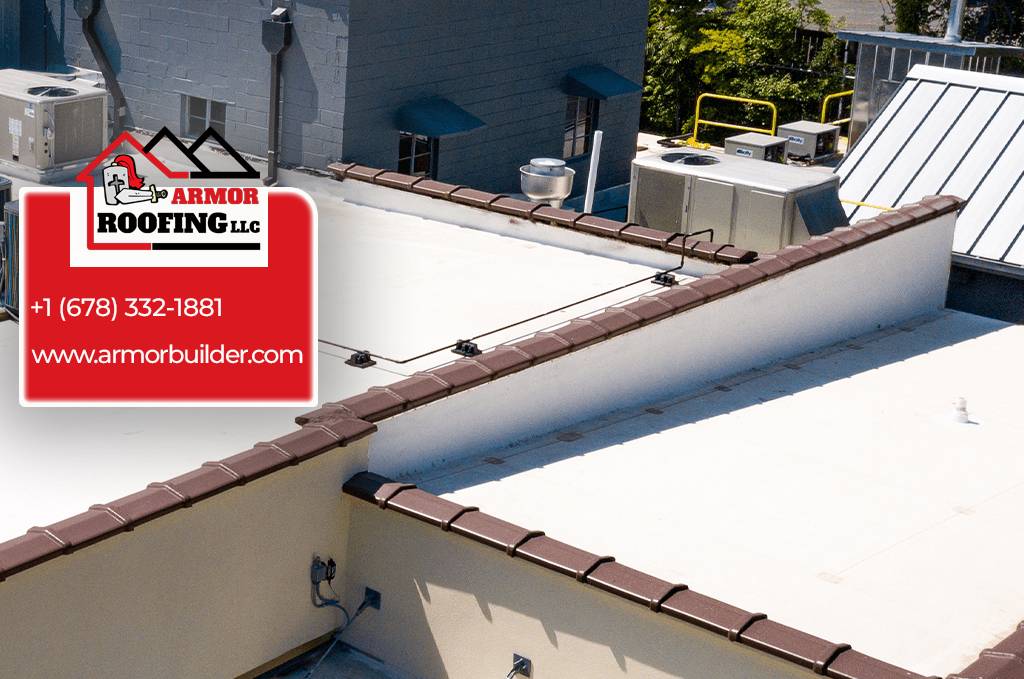
TPO roofing is a single-ply roofing membrane made from a blend of polypropylene and ethylene-propylene rubber, providing a lightweight and durable material for flat or low-sloped roofs. It is known for its excellent reflective properties, resistance to UV rays, and ease of installation.
TPO roofing systems come in large rolls, making installation faster and more seamless compared to traditional roofing systems. This roofing system also offers excellent flexibility, which allows it to expand and contract with temperature fluctuations, reducing the risk of cracking or tearing.
Homeowners and business owners looking for energy-efficient and durable roofing solutions often turn to TPO roofing services in North Carolina to meet their specific needs.
Why TPO Roofing Is Ideal for North Carolina
North Carolina experiences a wide range of weather conditions, from the humid summer heat to the cold winter temperatures. TPO roofing is particularly well-suited for this climate due to several key features:
1. Energy Efficiency
One of the most significant advantages of TPO roofing is its energy efficiency. The reflective surface of TPO roofing systems helps reduce the amount of heat absorbed by the roof, keeping indoor temperatures cooler and reducing the need for air conditioning during hot summer months. According to the U.S. Department of Energy’s cool roof guidance, reflective roofing materials like TPO can reduce cooling energy costs by up to 25%. This makes TPO roofing an ideal choice for homeowners and businesses looking to reduce their energy consumption and save on utility bills.
By choosing energy-efficient roofing in North Carolina, property owners can create a more comfortable indoor environment and reduce their carbon footprint, all while lowering energy costs.
2. Durability and Weather Resistance
TPO roofing is known for its exceptional durability and resistance to extreme weather conditions. North Carolina’s weather patterns can be unpredictable, with the region experiencing everything from torrential rain to strong winds and intense summer heat. TPO roofing is designed to withstand these conditions, making it a reliable option for homeowners in North Carolina.
TPO roofing systems are UV resistant, which prevents the material from degrading or fading under prolonged exposure to the sun. The membrane is also resistant to punctures, tears, and abrasions, making it a long-lasting roofing option that requires minimal maintenance. Whether it’s facing the summer heat or the winter chill, a TPO roof will continue to protect your property efficiently for many years to come.
Key Benefits of TPO Roofing in North Carolina
1. Reflectivity and Energy Savings
One of the most compelling reasons to choose TPO roofing is its ability to reflect UV rays and heat, significantly improving energy efficiency. The reflective properties of TPO roofing are particularly beneficial in North Carolina, where temperatures can soar during the summer months. TPO roofing helps keep buildings cooler by preventing heat absorption, thus reducing the need for excessive air conditioning.
This reduction in cooling costs translates to significant energy savings, especially for commercial properties with larger roofs or homes that experience high cooling demand in the summer. Roof replacement in North Carolina with TPO roofing can pay off quickly by cutting down on electricity usage and lowering utility bills.
2. Longevity and Low Maintenance
TPO roofing systems are incredibly durable, with most systems offering a lifespan of 20-30 years when properly maintained. This long lifespan means fewer roof replacements, ultimately saving homeowners and business owners money in the long run.
Furthermore, TPO roofs are relatively low maintenance. The smooth surface of the membrane helps prevent the buildup of debris, making it easier to clean and maintain. Regular inspections from professionals offering roof repair services in North Carolina can help detect any potential issues before they turn into expensive problems.
TPO Roofing Installation: The Process
TPO roofing installation is a relatively straightforward process, but it requires professional expertise to ensure proper application. Here’s an overview of what to expect during the installation:
- Inspection and Preparation: The first step is to inspect the existing roof for damage and make necessary repairs. Contractors assess the roof structure, insulation, and any underlying issues that could affect the new TPO roofing system.
- Roof Cleaning and Surface Preparation: The roof surface is thoroughly cleaned to remove debris, dirt, and any remnants of the old roofing material. This ensures that the TPO membrane will adhere properly.
- Installation of the TPO Membrane: The TPO membrane is unrolled and cut to fit the roof size. It is then heat-welded at the seams to form a seamless bond. The membrane is secured to the roof deck using mechanical fasteners or adhesive, depending on the type of installation.
- Flashing and Sealing: Flashing around the edges, vents, and other roof features is installed to ensure a watertight seal. This is an essential part of the installation process to prevent leaks.
- Final Inspection: After installation, the roof is inspected for quality control to ensure that everything is secure, watertight, and properly sealed. New roof installation services in North Carolina ensure that the job is done right the first time.
Maintenance, Costs, and Considerations for TPO Roofing
Maintaining TPO Roofing for Longevity
While TPO roofing is relatively low-maintenance, it still requires some periodic care to ensure its longevity. Regular inspections by professionals offering roof repair services in North Carolina are essential to detect any potential issues early, such as:
- Punctures or tears: While TPO roofing is resistant to punctures, sharp objects or debris can cause damage if left unchecked.
- Seam integrity: TPO roofing relies on heat-welded seams to create a seamless surface. Ensuring these seams remain intact is crucial for preventing leaks.
- Drainage: Proper drainage is essential to prevent water pooling on the roof, which can cause damage over time. Gutter installation services in North Carolina can help manage rainwater efficiently.
Cost of TPO Roofing in North Carolina
The cost of installing a TPO roof in North Carolina can vary depending on factors such as roof size, existing roof condition, and whether any additional repairs are required. On average, TPO roofing installation can be more affordable compared to other energy-efficient roofing options like metal roofing, yet it still provides long-lasting performance and excellent energy savings.
To get a more accurate estimate, homeowners can schedule a free online roofing estimate, which provides a detailed quote based on your specific property.
TPO Roofing vs. Other Roofing Options
When compared to other roofing materials, TPO stands out for its balance of cost, energy efficiency, and durability. Here’s how TPO compares to other popular roofing options:
|
Feature |
TPO Roofing |
Asphalt Shingles |
Metal Roofing |
|
Lifespan |
20-30 years |
15-20 years |
40-70 years |
|
Energy Efficiency |
High (reflective) |
Low to moderate |
Moderate |
|
Cost |
Moderate |
Low |
High |
|
Durability |
High |
Moderate |
Very High |
TPO roofing is an excellent middle-ground solution for homeowners looking for a cost-effective, energy-efficient roofing option without sacrificing durability.
Why Choose TPO Roofing for Your Property?
TPO roofing offers significant advantages for North Carolina homeowners and business owners, particularly in terms of energy efficiency, durability, and cost-effectiveness. By reducing cooling costs, minimizing maintenance, and withstanding the harsh weather conditions typical of the region, TPO roofing provides a smart and sustainable solution for your property.
For both residential and commercial properties, working with professional contractors offering TPO roofing services in North Carolina ensures that your roof will be properly installed, maintained, and protected for years to come. Whether you are looking to replace an old roof, reduce energy costs, or improve the performance of your property, TPO roofing is an ideal option to consider.
Frequently Asked Questions (FAQs)
1. What is TPO roofing?
TPO (Thermoplastic Olefin) roofing is a type of single-ply roofing membrane made from a combination of rubber and plastic. It is known for its durability, energy efficiency, and resistance to UV rays. TPO roofing is widely used for both residential and commercial properties due to its cost-effectiveness and long lifespan.
2. Why is TPO roofing energy-efficient?
TPO roofing is energy-efficient because of its reflective surface, which helps to reduce heat absorption. This reflective property keeps buildings cooler by minimizing the need for air conditioning during hot weather, thereby reducing energy consumption and lowering cooling costs.
3. How long does a TPO roof last?
TPO roofs typically last between 20 to 30 years, depending on the quality of installation, maintenance, and exposure to environmental conditions. Regular inspections and proper care can extend the life of your TPO roof.
4. Is TPO roofing better than traditional asphalt shingles?
TPO roofing offers several advantages over traditional asphalt shingles. TPO is more durable, resistant to UV rays, and energy-efficient due to its reflective surface. Asphalt shingles have a shorter lifespan (15-20 years) and require more frequent maintenance compared to TPO roofing systems.
5. How much does TPO roofing cost?
The cost of TPO roofing varies depending on factors such as roof size, complexity, and location. However, TPO roofing is generally more affordable than other energy-efficient roofing materials like metal roofing, making it an excellent choice for homeowners and businesses looking for a cost-effective option. For a more accurate estimate, consider requesting a free roofing estimate.
6. Can TPO roofing withstand storms and harsh weather conditions?
Yes, TPO roofing is designed to be durable and can withstand strong winds, rain, and other harsh weather conditions commonly experienced in North Carolina. Its resilience to UV rays and extreme temperatures makes it a reliable option for storm-prone areas. Storm damage restoration services may be needed if a TPO roof sustains damage from severe weather.
7. How do I maintain my TPO roof?
TPO roofs require minimal maintenance, but it is still essential to schedule regular inspections. Checking for any cracks, punctures, or issues with seams should be part of your maintenance routine. Additionally, ensuring that gutters are clear and water is properly drained will prolong the roof’s lifespan. For inspections and repairs, you can rely on roof repair services in North Carolina.
8. Can TPO roofing help reduce my energy bills?
Yes, TPO roofing is highly energy-efficient due to its reflective surface, which reduces heat absorption. This leads to lower cooling costs in warmer months, making it an excellent choice for homeowners and businesses looking to save on energy bills while maintaining comfort indoors.
9. How is TPO roofing installed?
TPO roofing is installed by unrolling the single-ply membrane across the roof, and it is fastened with either mechanical fasteners or adhesives. The seams are heat-welded to form a seamless bond, ensuring superior water resistance and durability. New roof installation services in North Carolina provide professional installation for lasting performance.
10. Is TPO roofing environmentally friendly?
Yes, TPO roofing is considered environmentally friendly due to its reflective properties, which reduce energy consumption, and its ability to be fully recycled. TPO membranes are often made from environmentally sustainable materials, making it a green roofing option for eco-conscious homeowners.
Conclusion
TPO roofing is a durable, cost-effective, and energy-efficient roofing solution that offers long-term benefits for homeowners and businesses in North Carolina. Its reflective properties help reduce energy costs, while its strength and resistance to the elements ensure it can stand up to the region’s diverse weather conditions. Whether you are replacing an old roof or installing a new system, TPO roofing offers a balance of performance, value, and sustainability.
If you’re ready to upgrade to a TPO roofing system, Armor Builder’s TPO roofing services are here to help. With professional installation, expert advice, and reliable customer service, we ensure that your new roof will provide lasting protection and efficiency for your property.