For business owners, maintaining a commercial property goes far beyond daily operations. One of the most overlooked yet critical components of any building is the roof. A properly maintained roof protects inventory, equipment, employees, and customers. However, without regular inspections, small roofing issues can quickly turn into major financial burdens. That’s why commercial roof inspections in North Carolina are essential for long-term business protection.
In North Carolina, commercial roofs are constantly exposed to harsh environmental conditions. From heavy rain and humidity to strong winds and seasonal storms, these factors gradually weaken roofing systems. Without routine inspections, damage may go unnoticed until it affects business operations.
Professional inspections performed by experts offering commercial roofing services in North Carolina help business owners identify issues early and avoid costly repairs or downtime.
What Is a Commercial Roof Inspection?
A commercial roof inspection is a detailed evaluation of a building’s roofing system. It involves examining all components, including roofing materials, drainage systems, flashing, insulation, and structural elements.
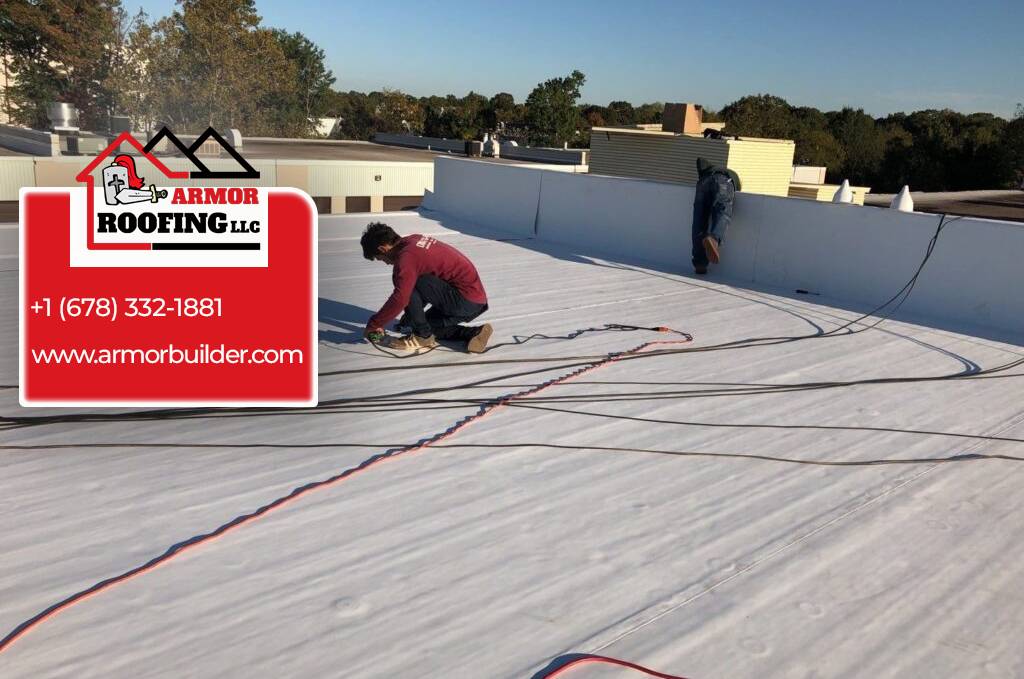
Unlike residential roofs, commercial roofs often have flat or low-slope designs, making them more vulnerable to water pooling and drainage issues. This is why inspections are especially important for commercial properties.
During inspections, contractors often assess:
- Roof surface condition
- Membrane integrity (TPO, roll roofing, etc.)
- Drainage systems and gutters
- Flashing and sealing points
- Structural stability
Businesses that schedule inspections through roof repair services in North Carolina can detect and fix problems before they impact operations.
Why Commercial Roof Inspections Are Important
Prevent Business Disruptions
Roof damage can lead to leaks, water damage, and unsafe working conditions. These issues can interrupt business operations and result in lost revenue.
sRegular inspections help business owners avoid unexpected downtime by addressing problems early.
Regular commercial roof inspections North Carolina business owners schedule are essential for preventing costly repairs. According to the U.S. General Services Administration roof maintenance guidelines, preventive maintenance and routine inspections help extend roof lifespan and reduce long-term costs.
Roof leaks can lead to serious indoor problems if ignored. The
CDC mold and moisture prevention guide highlights how moisture buildup can affect indoor air quality and health.
Reduce Long-Term Repair Costs
Small roofing issues are relatively inexpensive to repair. However, when left untreated, they can lead to structural damage requiring extensive repairs or full replacement.
Preventative inspections reduce the need for expensive services like re-roofing services in North Carolina or full replacements.
Protect Assets and Inventory
Water leaks can damage equipment, products, and interior structures. For businesses that rely on inventory storage, this can result in significant financial losses.
Routine inspections ensure the roofing system remains secure and reliable.
Types of Commercial Roofing Systems in North Carolina
Understanding your roofing system helps determine inspection requirements and maintenance strategies.
TPO Roofing Systems
TPO roofing is widely used for commercial buildings due to its energy efficiency and durability.
Businesses using this system often rely on TPO roofing services in North Carolina for installation and inspections. Energy-efficient roofing systems can significantly reduce building energy consumption. The
U.S. Department of Energy cool roof guidance explains how reflective roofing materials reduce heat absorption and improve indoor comfort.
Roll Roofing Systems
Roll roofing is commonly used for low-slope commercial roofs. It is cost-effective and easy to install.
Property owners may explore roll roofing services in North Carolina for maintenance and upgrades.
Metal Roofing Systems
Metal roofing provides excellent durability and resistance to severe weather.
Businesses upgrading their roofs may consider metal roof replacement in North Carolina for long-term performance.
Shingle Roofing (For Mixed-Use Properties)
Some commercial or mixed-use buildings use shingles.
In such cases, shingle roofing services in North Carolina ensure proper maintenance.
Key Areas Checked During Commercial Roof Inspections
Professional inspections focus on identifying weak points in the roofing system.
Roof inspections should always be handled by professionals. The
OSHA fall protection and roofing safety standards emphasize safety requirements when working at heights, making expert inspections essential.
Roof Surface and Materials
Inspectors check for cracks, punctures, or worn-out materials that may allow water infiltration.
If damage is detected, repairs may be performed through roof repair services in North Carolina.
Drainage Systems
Proper drainage is critical for commercial roofs. Poor drainage can lead to water pooling and structural damage.
Businesses often upgrade drainage systems through:
- gutter installation services in North Carolina
- gutter repair services in North Carolina
- gutter replacement services in North Carolina
- seamless gutter installation services in North Carolina
- gutter guard installation services in North Carolina
Structural Components
Inspectors evaluate roof decking, supports, and framing to ensure structural stability.
If issues are found, contractors may recommend structural repair services in North Carolina.
Flashing and Seals
Flashing around vents, HVAC units, and skylights is checked to prevent leaks.
Poor sealing is a common cause of water infiltration in commercial roofs.
How Often Should Commercial Roof Inspections Be Conducted?
Business owners should schedule inspections:
- Twice per year (recommended)
- After major storms
- Before property purchases
- Before roof replacement
Routine inspections help businesses maintain safe and efficient operations.
The Impact of Storm Damage on Commercial Roofs
North Carolina storms can cause significant damage to commercial roofs.
Common storm-related issues include:
- Torn membranes
- Water pooling
- Debris damage
- Structural weakening
After storms, businesses often rely on storm damage restoration services or storm damage restoration in North Carolina.
For insurance claims, expert support is available through free insurance claims consultant in North Carolina.Severe weather is one of the leading causes of commercial roof damage in North Carolina. According to
FEMA building maintenance and protection recommendations, regular inspections and maintenance reduce storm-related risks.
Commercial Roof Maintenance Tips
To avoid costly repairs, business owners should follow regular maintenance practices.
Schedule Routine Inspections
Keep Drainage Systems Clean
Repair Minor Damage Immediately
Monitor Roof After Storms
Upgrade Aging Roofing Systems
Businesses planning upgrades may explore new roof installation services or new roof installation services in North Carolina.
When to Consider Roof Replacement
A commercial roof may require replacement if:
- It is over 20–30 years old
- Repairs are becoming frequent
- Structural damage is present
Businesses may also consider expansion projects through roofing addition services in North Carolina or new builds through new construction roofing services in North Carolina.
Additional Property Improvements
Commercial property owners often combine roofing upgrades with other improvements such as:
- exterior carpentry services in North Carolina
- precision interior services in North Carolina
- remodeling services North Carolina
These upgrades enhance overall property value and functionality.
Choosing the Right Roofing Contractor
Selecting an experienced contractor ensures quality inspections and reliable service.
Businesses can explore services across the Armor Roofing NC service area including locations like Colfax.
You can also learn more through:
Additional Roofing Services
Businesses may also explore:
- commercial roofing services
- residential roofing services
- roof repair services
- re-roofing services
- roofing addition services
- metal roofing services
- TPO roofing services
- roll roofing services
- shingle roofing services
- new construction roofing
- structural repair services
- gutter installation services
- gutter repair services
- seamless gutter installation services
- gutter replacement services
- exterior carpentry services
- precision interior services
- free insurance claims consultant
- deck building North Carolina
- roof replacement North Carolina
- window installation North Carolina
- south carolina service area
Frequently Asked Questions
How often should commercial roofs be inspected?
Commercial roofs should be inspected at least twice per year and after major storms.
What is included in a commercial roof inspection?
Inspections include checking roofing materials, drainage systems, flashing, and structural components.
Why are roof inspections important for businesses?
They prevent costly repairs, protect assets, and ensure safe operations.
Can inspections help with insurance claims?
Yes, inspection reports support insurance claims for storm damage.
What are common commercial roofing problems?
Common issues include water pooling, membrane damage, leaks, and structural weaknesses.
How long do commercial roofs last?
Most commercial roofs last 20–30 years depending on material and maintenance.
Conclusion
Commercial roof inspections North Carolina businesses rely on are not just a routine task they are a critical investment in long-term property protection. Regular inspections help identify small issues before they turn into costly repairs, ensuring that your building remains safe, efficient, and fully operational. From detecting hidden leaks to evaluating drainage systems and structural integrity, professional inspections provide valuable insights that can save businesses thousands of dollars over time.
North Carolina’s weather conditions make proactive roof maintenance even more important. Storms, humidity, and temperature changes can weaken roofing systems quickly, especially for commercial properties with flat or low-slope roofs. By scheduling regular inspections and working with experienced roofing professionals, business owners can reduce risks, prevent unexpected downtime, and extend the lifespan of their roofing system.
Whether you manage a small commercial space or a large facility, taking a preventative approach is always more cost-effective than reactive repairs. Investing in professional roof inspections, timely maintenance, and high-quality roofing solutions ensures your property stays protected year-round while supporting the long-term success of your business.